For this assignment I decided to build off the lists of suggestions and got inspired to combine photography and collage to do a photo-collage approach to designing a poster/booklet related to an aspect of city heritage in Glasgow. I wanted to explore these first before I decided exactly what the outcome would be.
Since I am based in Glasgow, I decided it was a good way to take advantage of and learn more about Glasgow, and in particular the East End which I know very little of despite living in it as of this year. An architect told me once that the reason why the West End of cities tend to be richer and more middle and upper class is because here is a predominantly easterly wind. Thus richer citizens preferred to live in the ‘cleaner’ areas of town and avoid the smoke and pollution of the industries!
Glasgow also seems to follow suit as the East End is where the working class of the industrial revolution were based and lots of textile and cotton industry. Googling textile in more depth I came across the Calton Weavers’ Massacre. (Calton and Bridgeton are previous villages enveloped by Glasgow as it grew during the industrial revolution.) The Calton weavers from the East End of Glasgow became Scotland’s first working-class martyrs. The weavers had been on strike for twelve weeks as a protest against a cut in wages. On previous occasions strikes had been resolved by settlement but in 1787 the army was sent in and six weavers were killed and 6,000 people attended the funerals. This is recognised as having contributed to a workers movement which achieved fundamental changes in the relationship between workforce and employers. While the industrial revolution made Glasgow one of the richest cities in Europe at the time, the city was also plagued with sanitation, health and social issues and major inequalities and immigration related to the Irish famine and lack of opportunities in the North led to a workforce with socialist tendencies and movements for better treatment and services.
I even found this artist’s take on the massacre:

Currie, K. (1960) Weaver’s Struggles: The Calton Weaver’s Massacre. [Image] Artuk. Available at: https://artuk.org/discover/artworks/weavers-struggles-the-calton-weavers-massacre-83678 (Accessed: 15th September, 2023)
I also looked into architecture and heritage in Glasgow and the East End and came across Calton Heritage Trail. Glasgow is famous for its red and blonde sandstone and has some surprising architectural pieces, particularly from the Industrial times when factories and relevant industrial buildings were developed. The famous textile chimneys and buildings were built in this red stone for example. Googling, I found an interesting Heritage Trail in the East End through Calton and Bridgeton that took me two hours to complete and where I saw over 30 buildings, monuments and gardens related to the textile industry and others.
Sources:
- Doors Open Day. (no date) Calton Heritage Trail. Available at: https://glasgowdoorsopenday.com/event/calton-heritage-trail/ (Accessed 15th September, 2023)
- Sweeney, p. (2020) ‘Glasgow tenements colours explained in Paul Sweeney viral tweet’ The Glasgow Times, 14th August. Available at: https://www.glasgowtimes.co.uk/news/18652060.glasgow-tenements-colours-explained-paul-sweeney-viral-tweet/ (Accessed 15th September, 2023)
- Visit Scotland (No date) Industrial Revolution. Available at: https://www.visitscotland.com/info/tours/industrial-revolution-ff4ef788 (Accessed 15th September, 2023)
- BBC (No date) The Victorian Achievement. Available at: https://www.bbc.co.uk/history/scottishhistory/victorian/trails_victorian_glasgow.shtml#:~:text=The%20Industrial%20Revolution%20took%20hold,the%201840s%20formed%20the%20workforce. (Accessed 15th September, 2023)
- Hume, M. (No date) The Glasgow Story. Available at: https://www.theglasgowstory.com/story/?id=TGSBE(Accessed 15th September, 2023)
I had not quite realised how much red in all its hues Glasgow has, beyond the obvious and gorgeous tenement building and so I decided to focus the assignment also on red hues. This also ties in well with the fact that David Dale and George Macintosh established the first Turkey Red Dying Works in Britain! This red dye originally comes from the Madder Plant roots which is symbolised in the Tullis Street Memorial Gardens in the East End:


This is what the plant looks like:

Unknown (No date) Madder plant root. [Image] Natures Rainbow. Available at: https://www.naturesrainbow.co.uk/2021/04/harvesting-madder-from-a-large-planter/ (Accessed: 15th September, 2023).
Here is a collection of some of the photos I took, focusing on finding red hues in all the monuments and buildings and general life in the East End:


To bring this together I then started to mind map ideas on what exactly I could design or create that brought all this together.
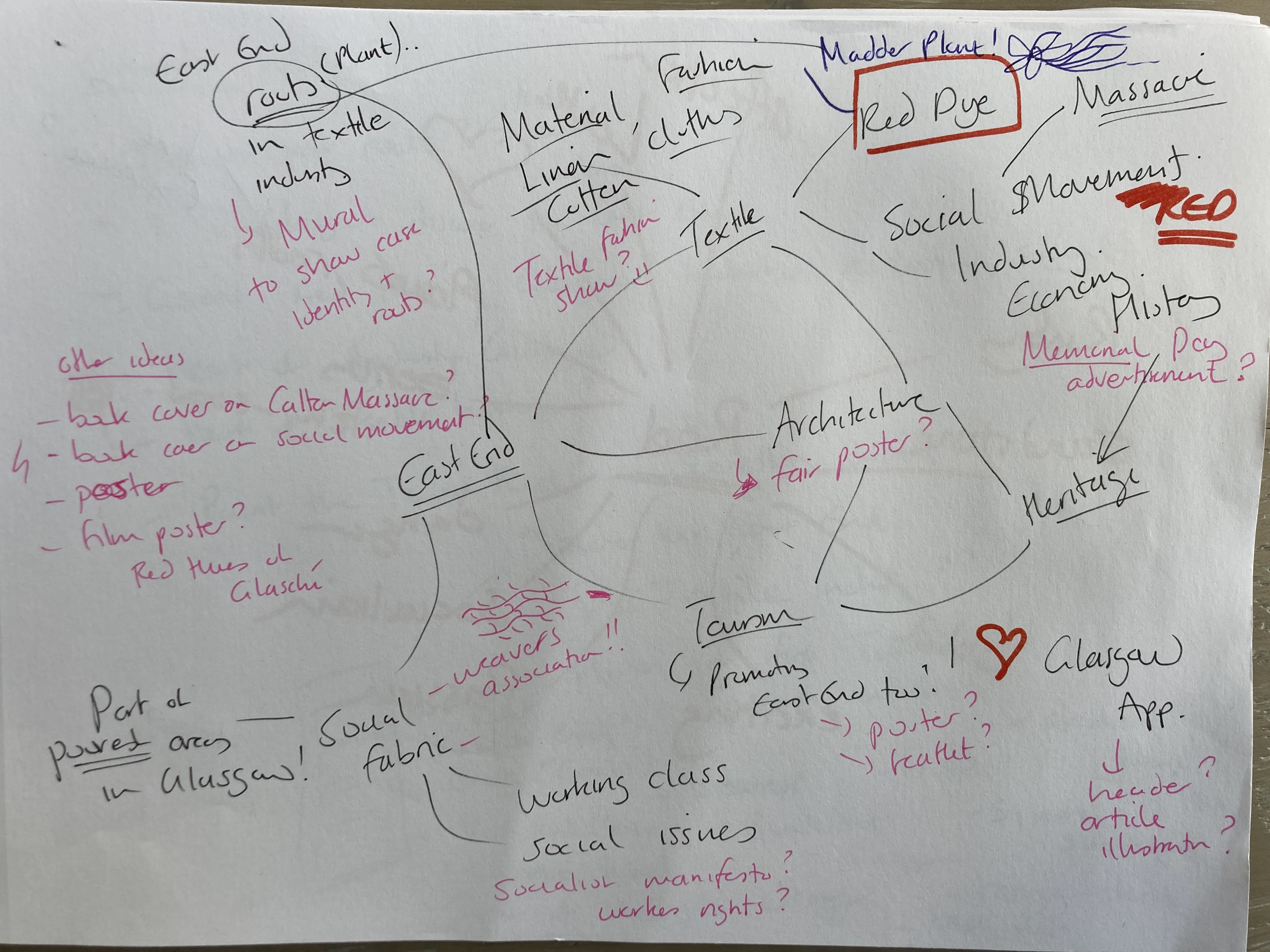
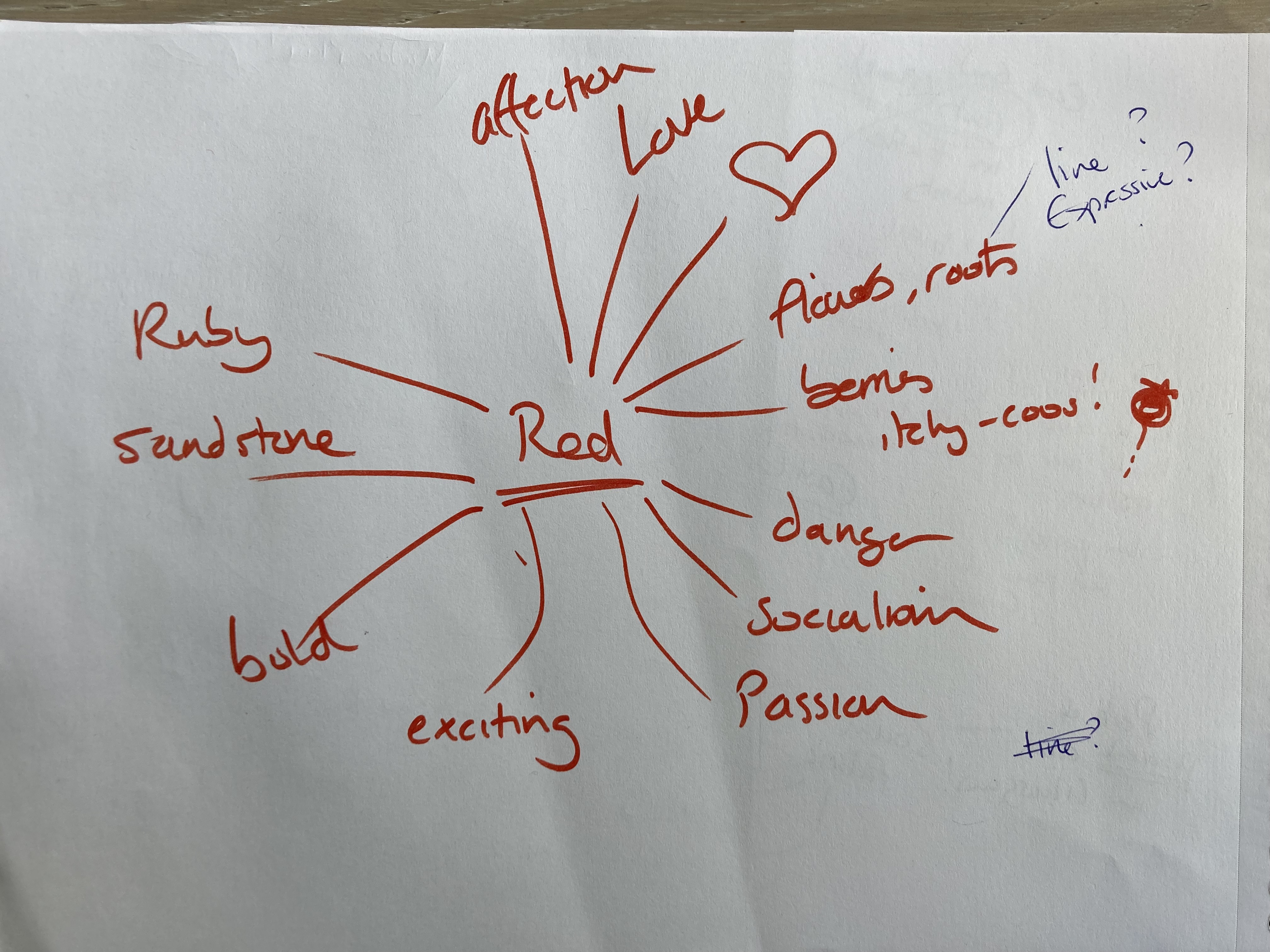
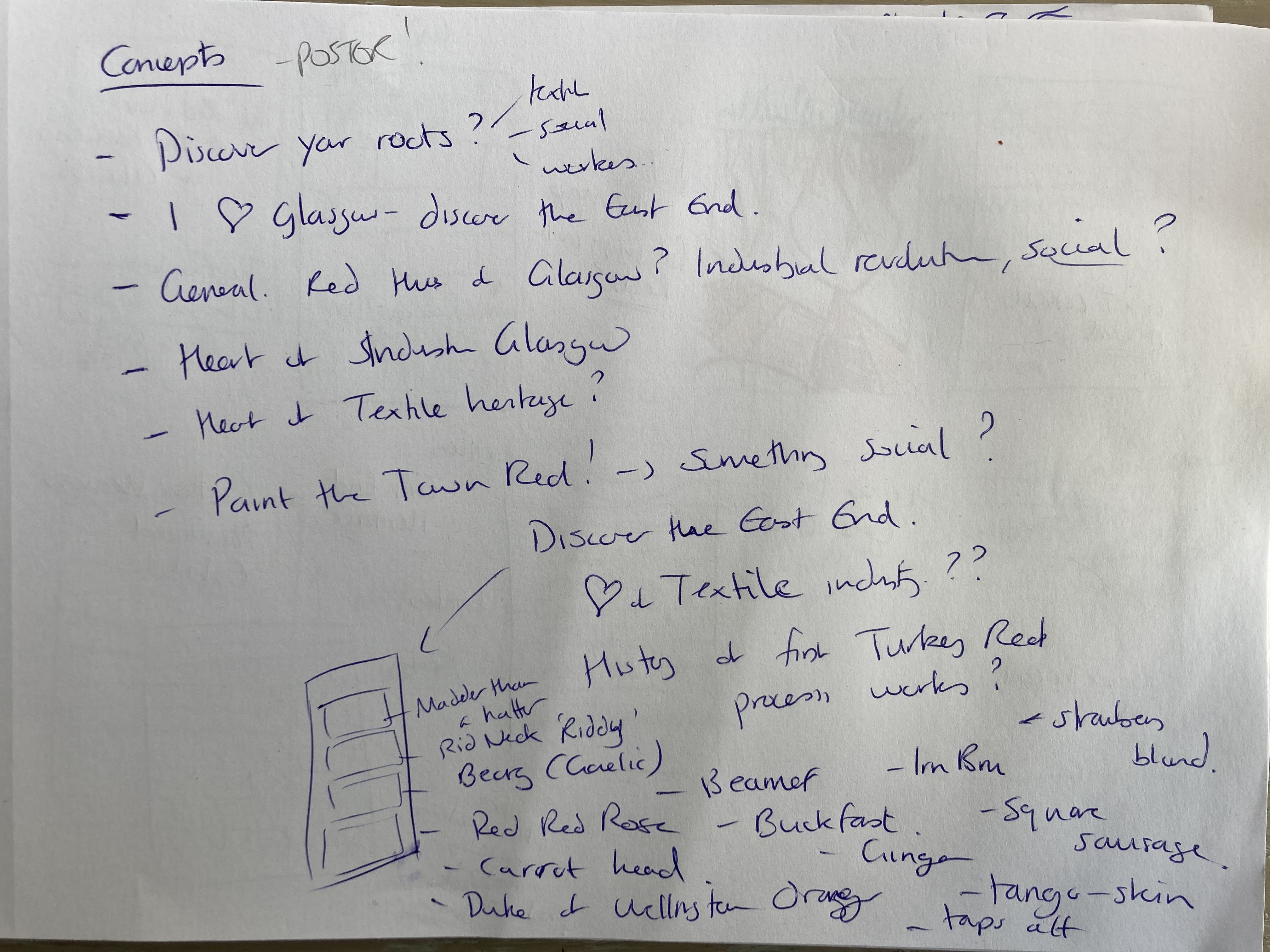
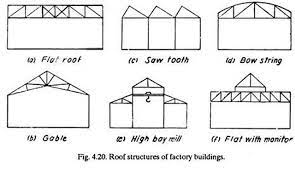
I also gathered some old photos that I could find linked to textile buildings in Glasgow from the time. I quite like the iconic saw tooth and chimneys and this could be a good aspect of the design to bring in.


I also checked poverty and deprivation online and found an interesting interactive map on the same and even that covered the East End in red hues indicating the most deprived areas compared to richer yellows and blues.

Source:
- Scottish Government. (2020) Scottish Index of Multiple Deprivation. Available at: https://simd.scot/#/simd2020/BTTTFTT/7/-5.1652/55.7755/ (Accessed: 15th September, 2023).
From the ideas and brainstorming I tried some thumbnails to think about how to bring the elements together and how to focus the topic of the design. A heritage walk? An exhibition? A touristic explore the East End poster?
One key thing I kept coming back to was the different bricks and reds of all the buildings, or using roots and plant of the madder plant and also of textiles themselves, in reds. This idea of the heritage through buildings that are still standing, reflecting the local quarries, Victorian style and industry of the time and the local economy was what captured my attention most. I thought about using the photos to build a brick wall full of colours and hues of red from the area:
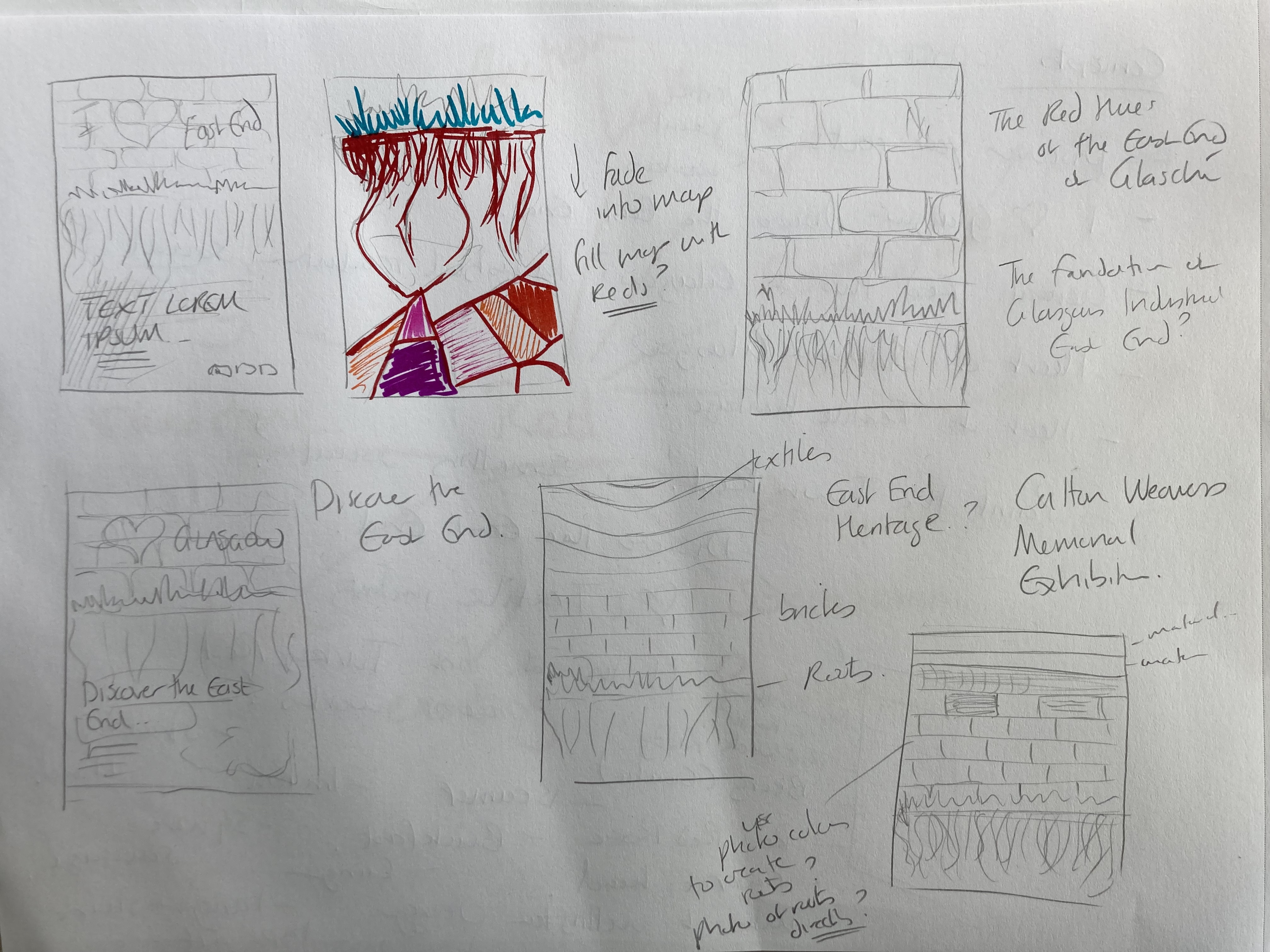
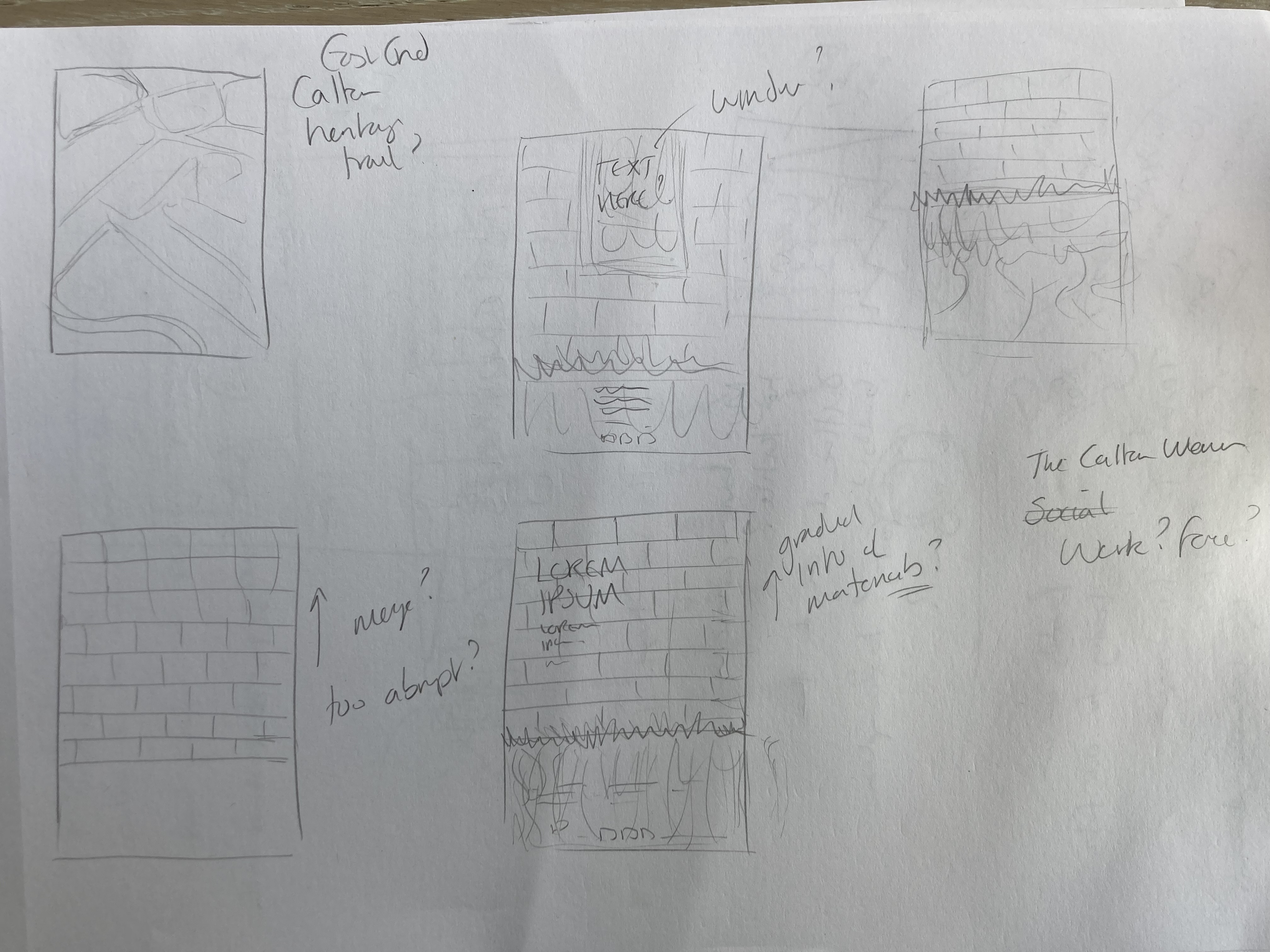
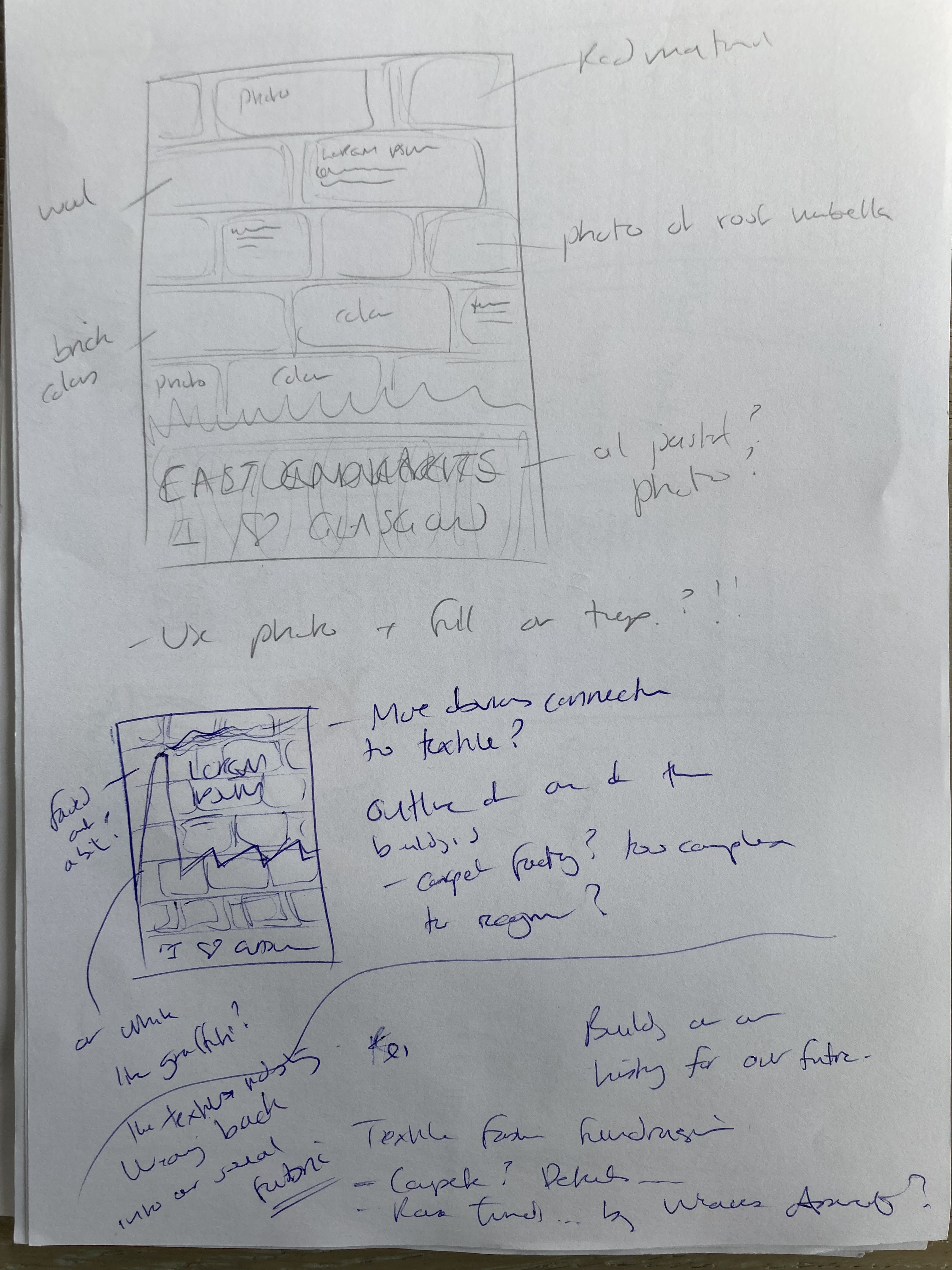
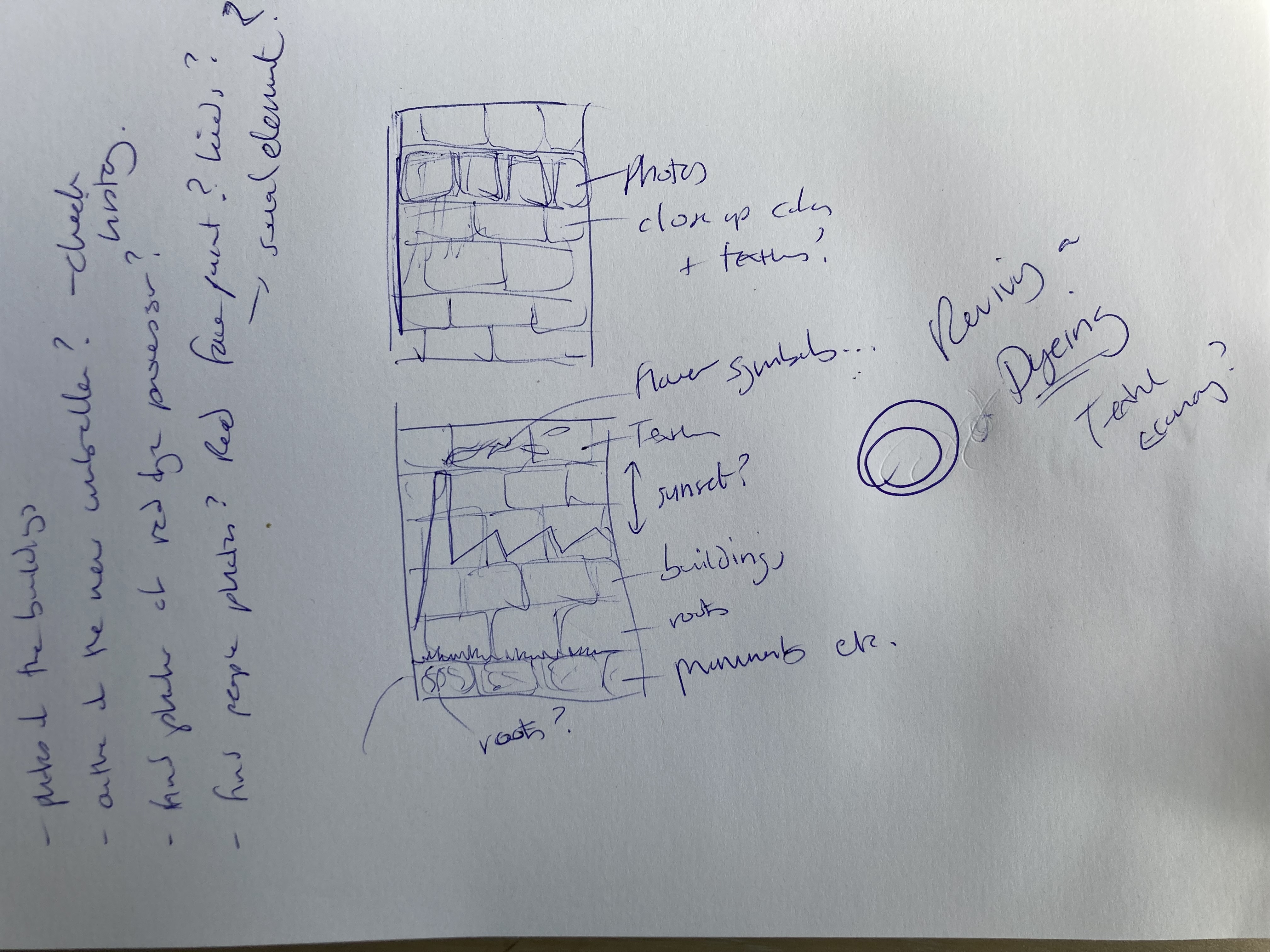
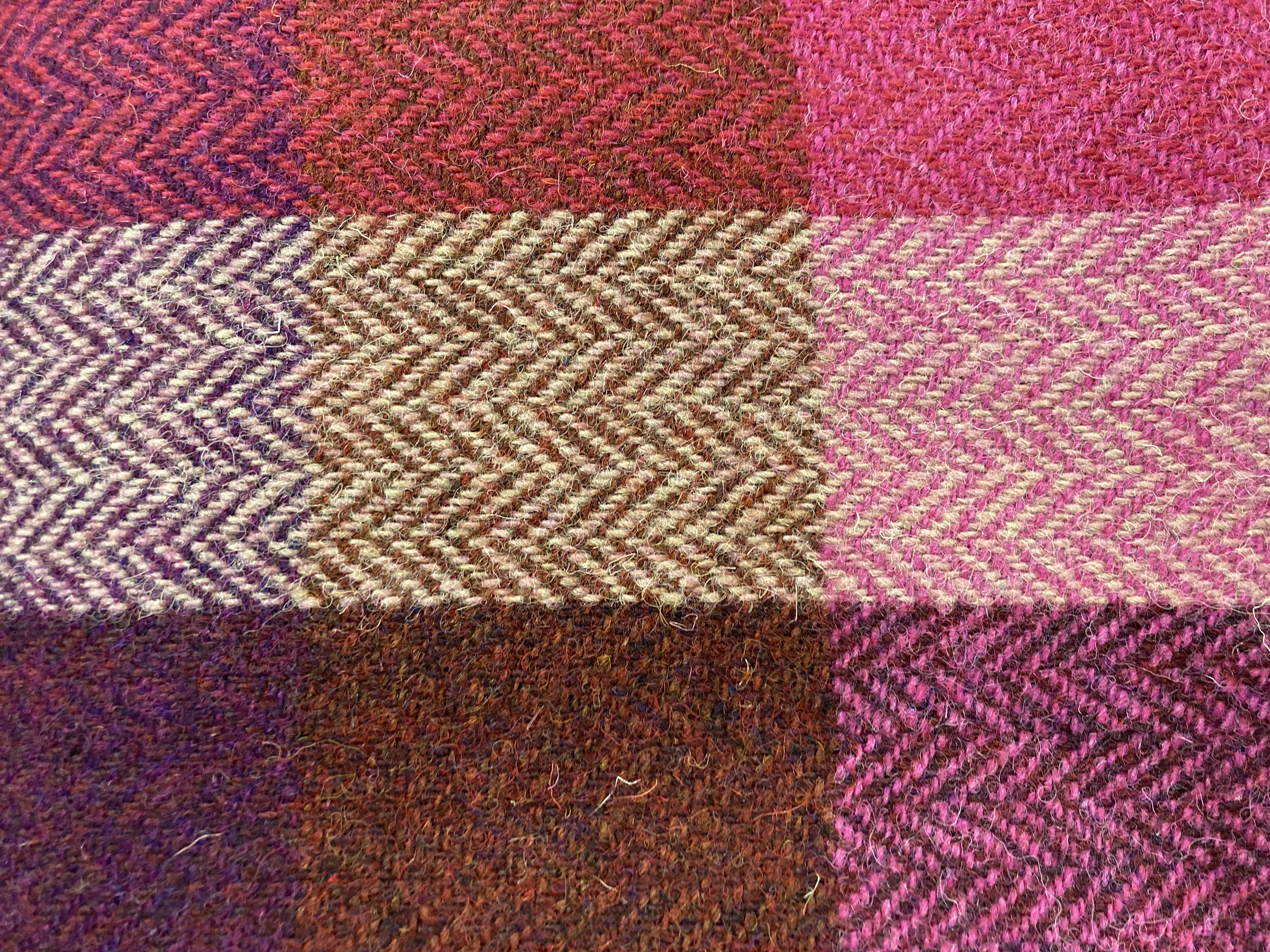
I also went to a fabric store to take photos of the red fabrics in different hues and textures which also have a lot of tone:
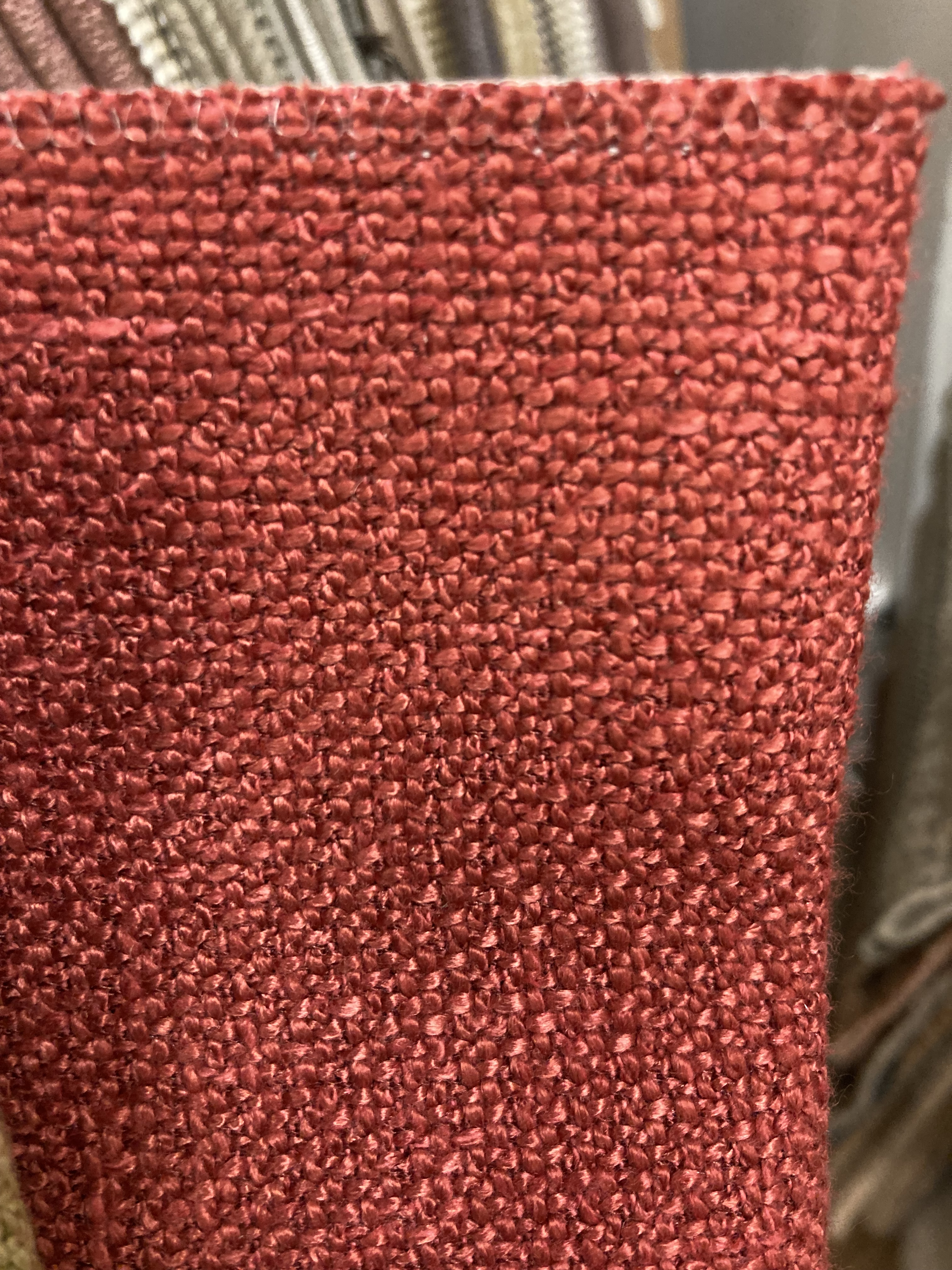

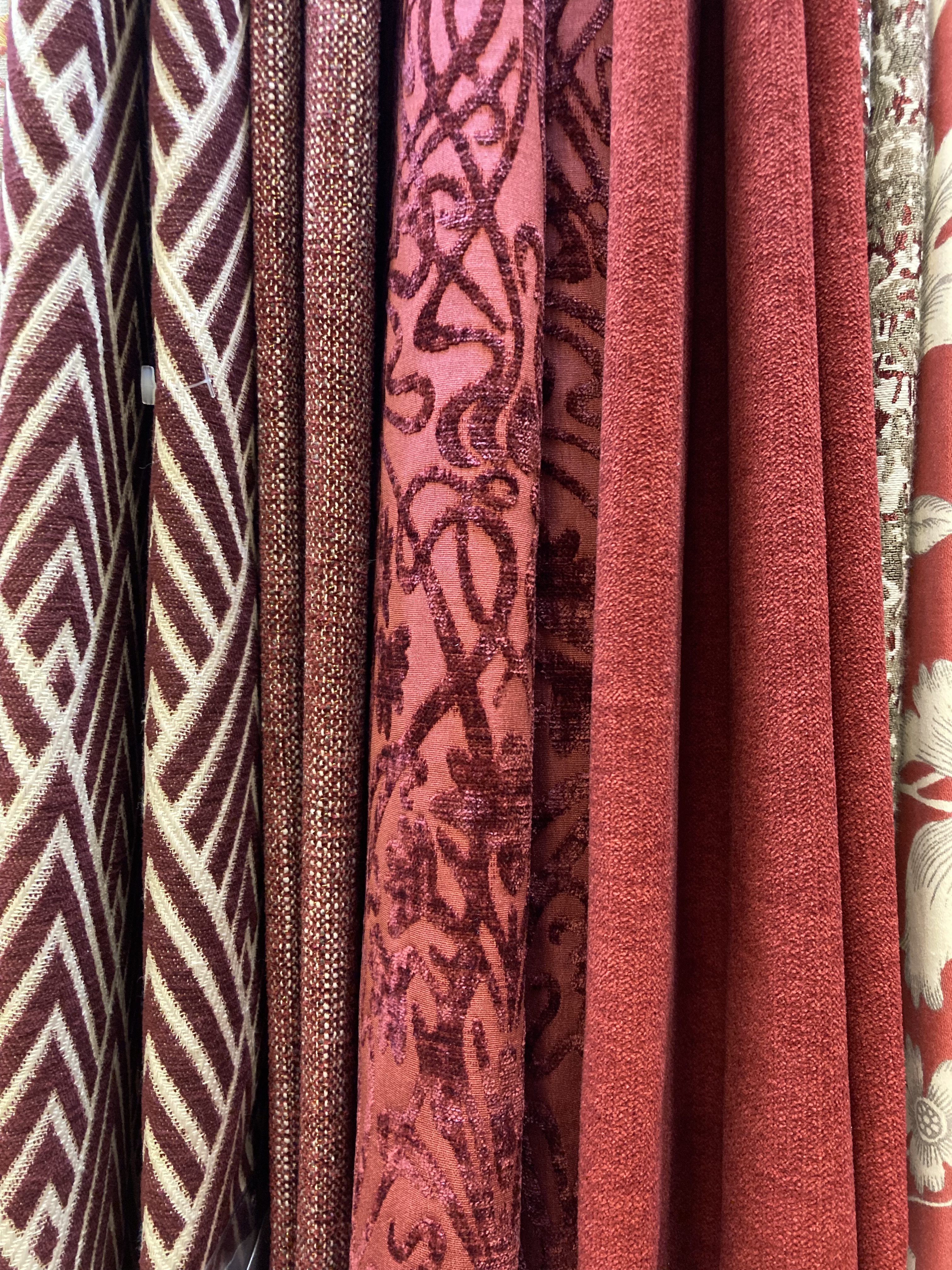
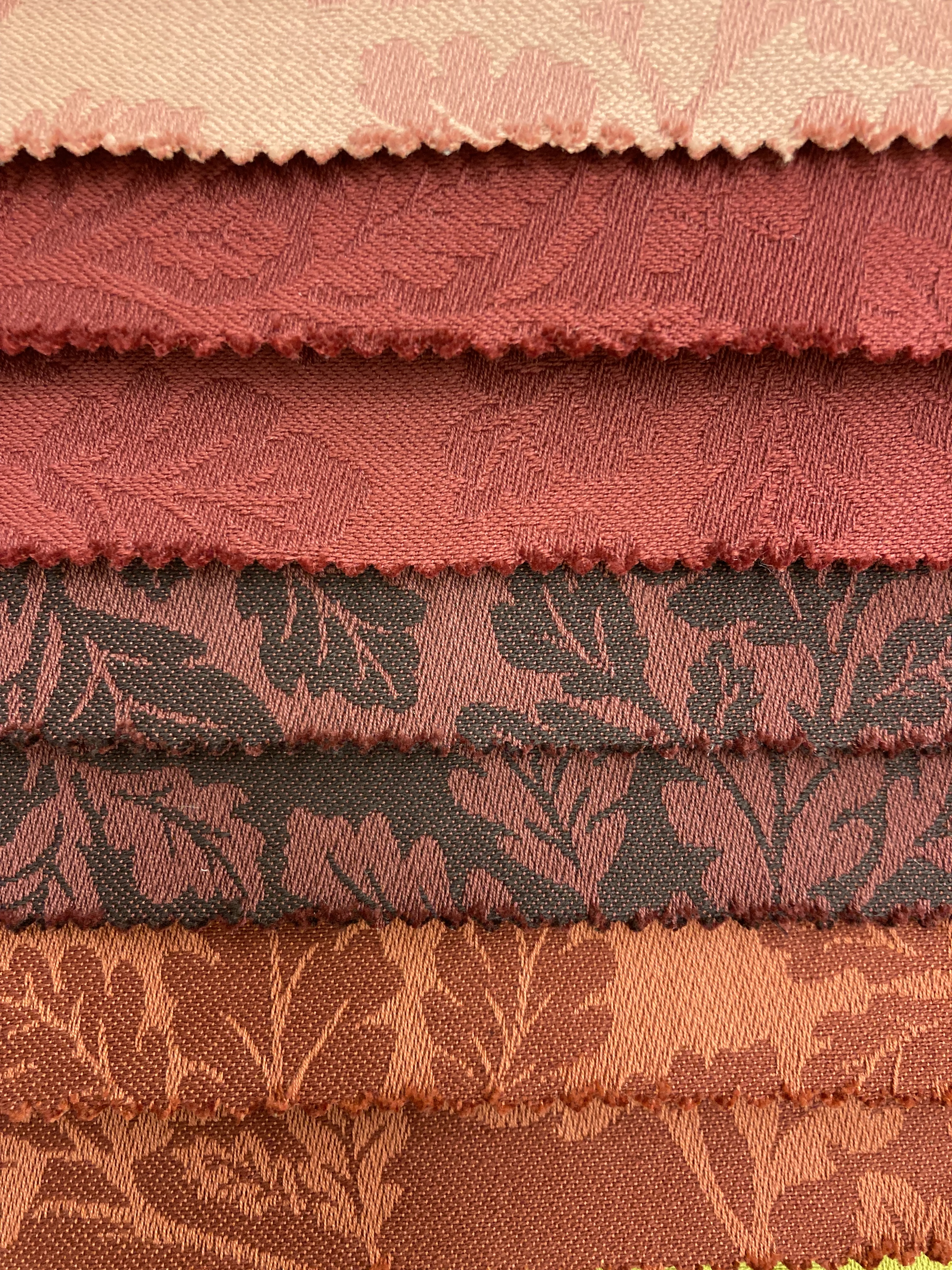
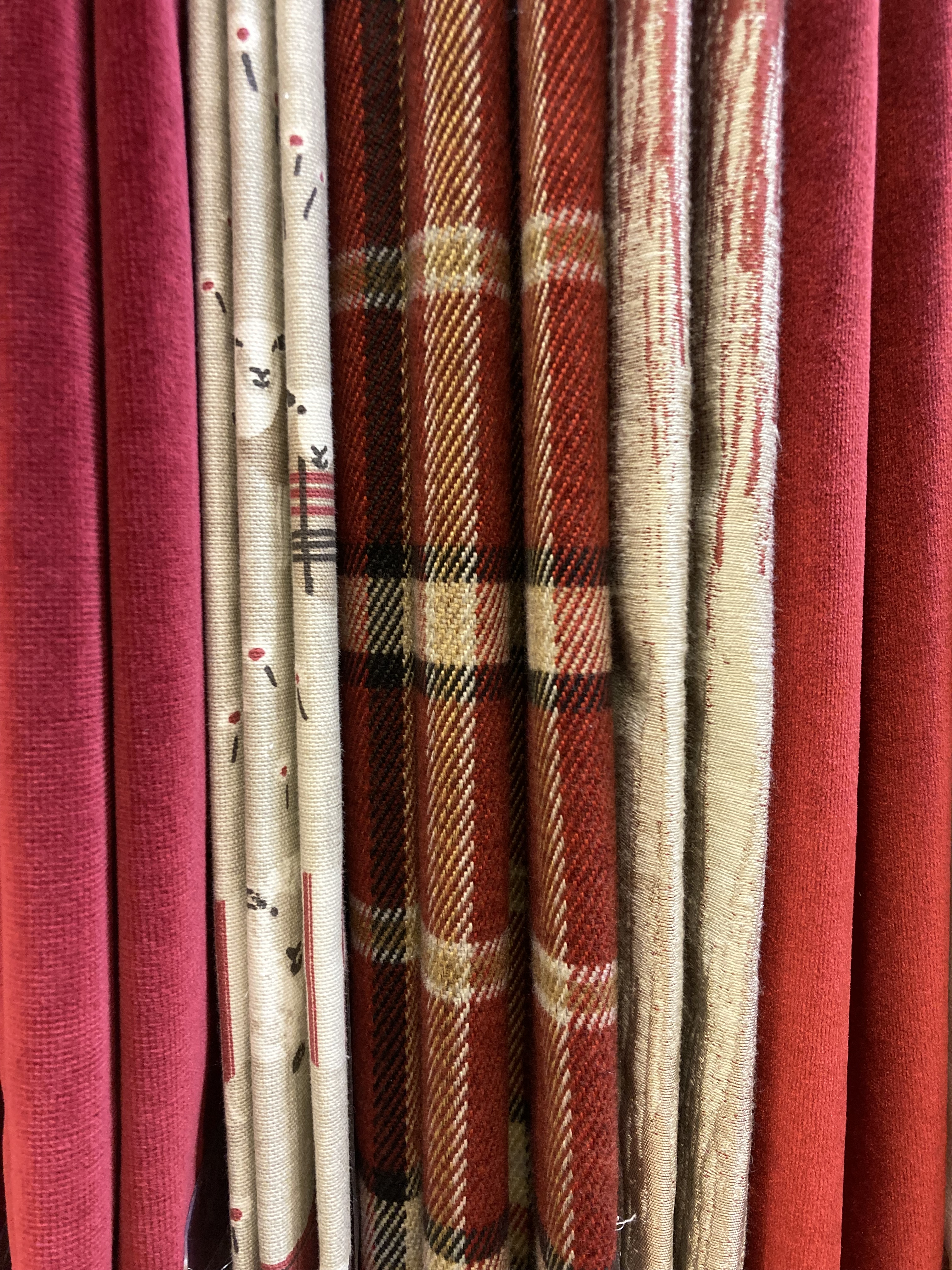
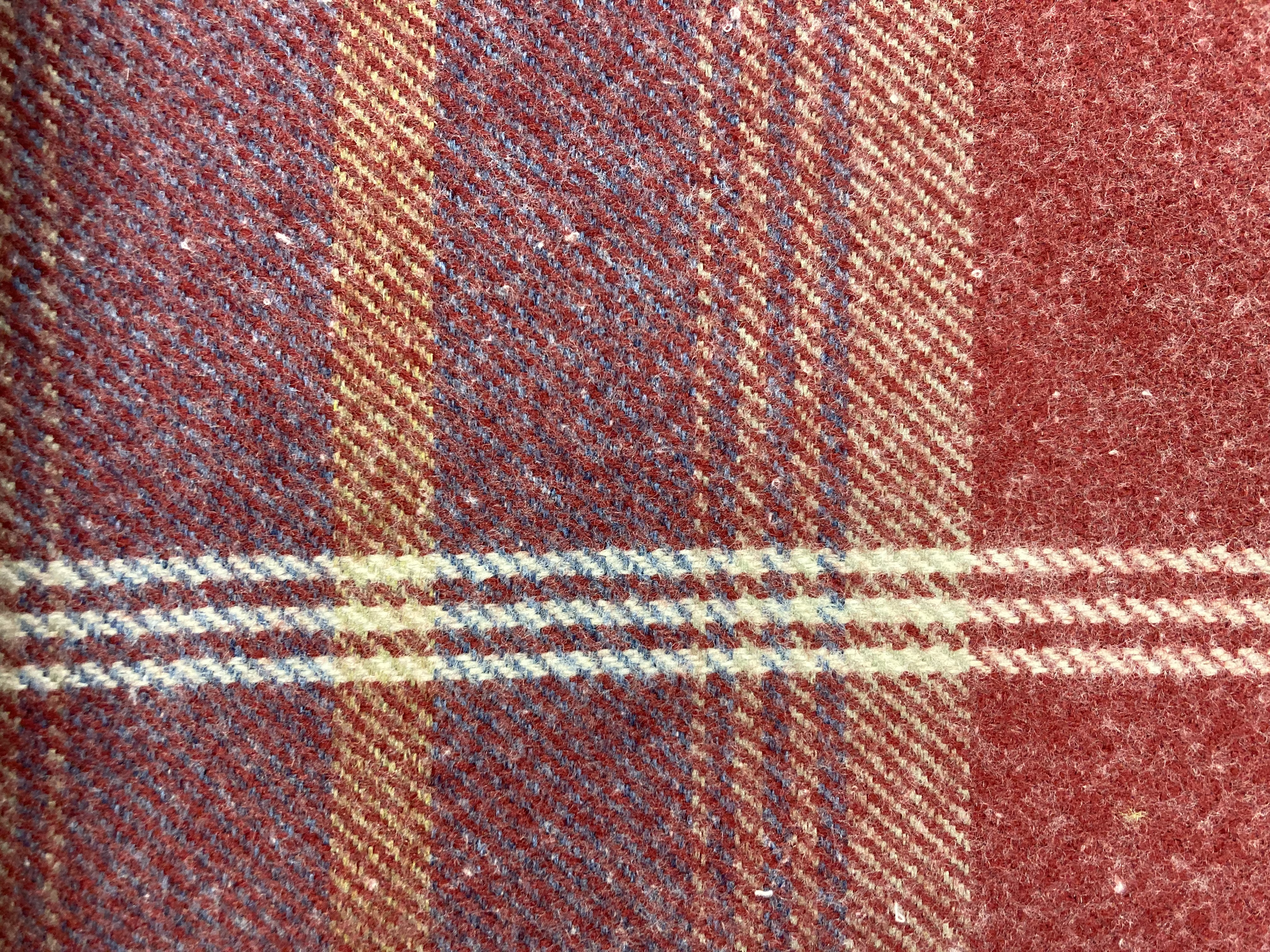
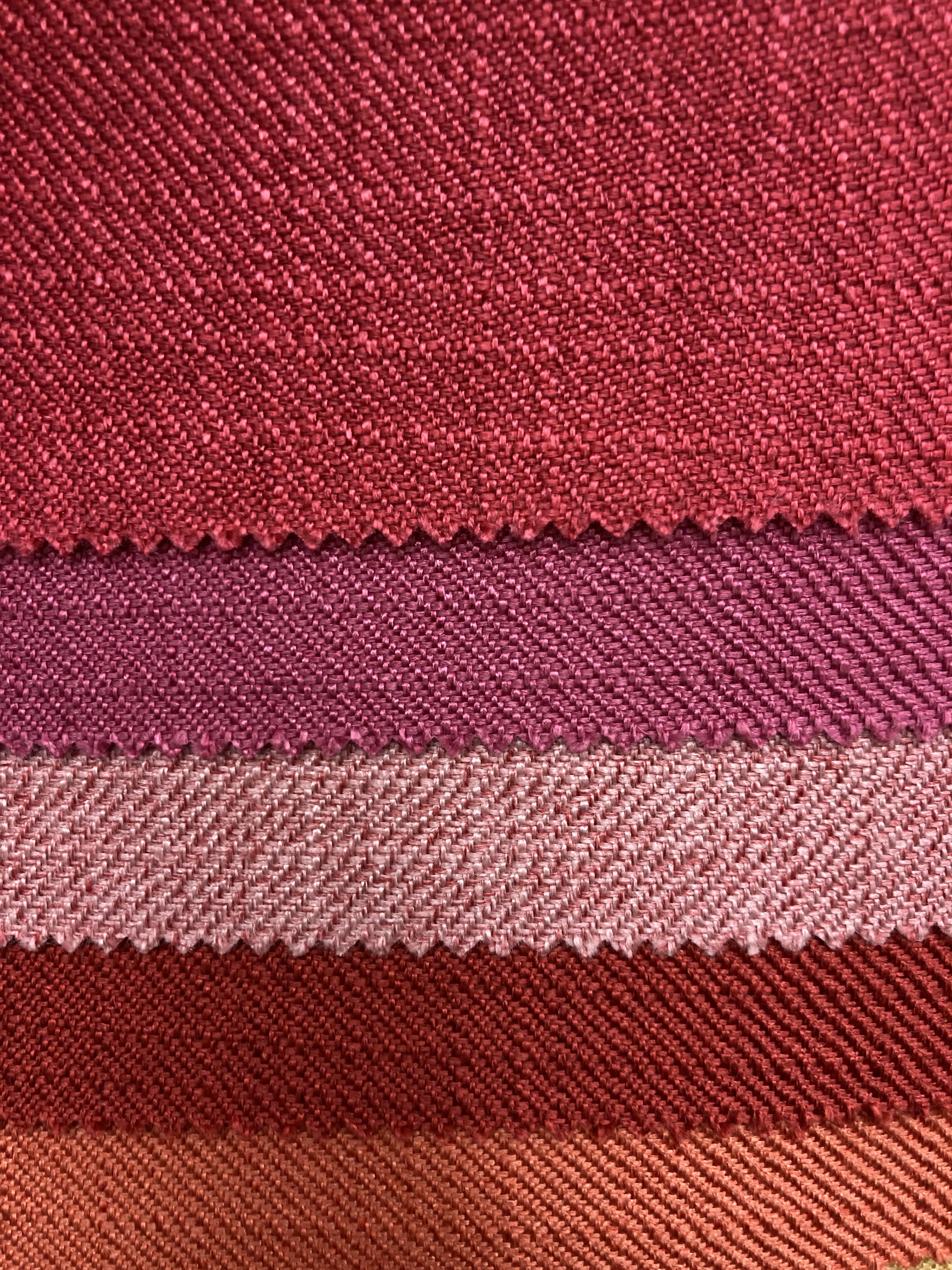

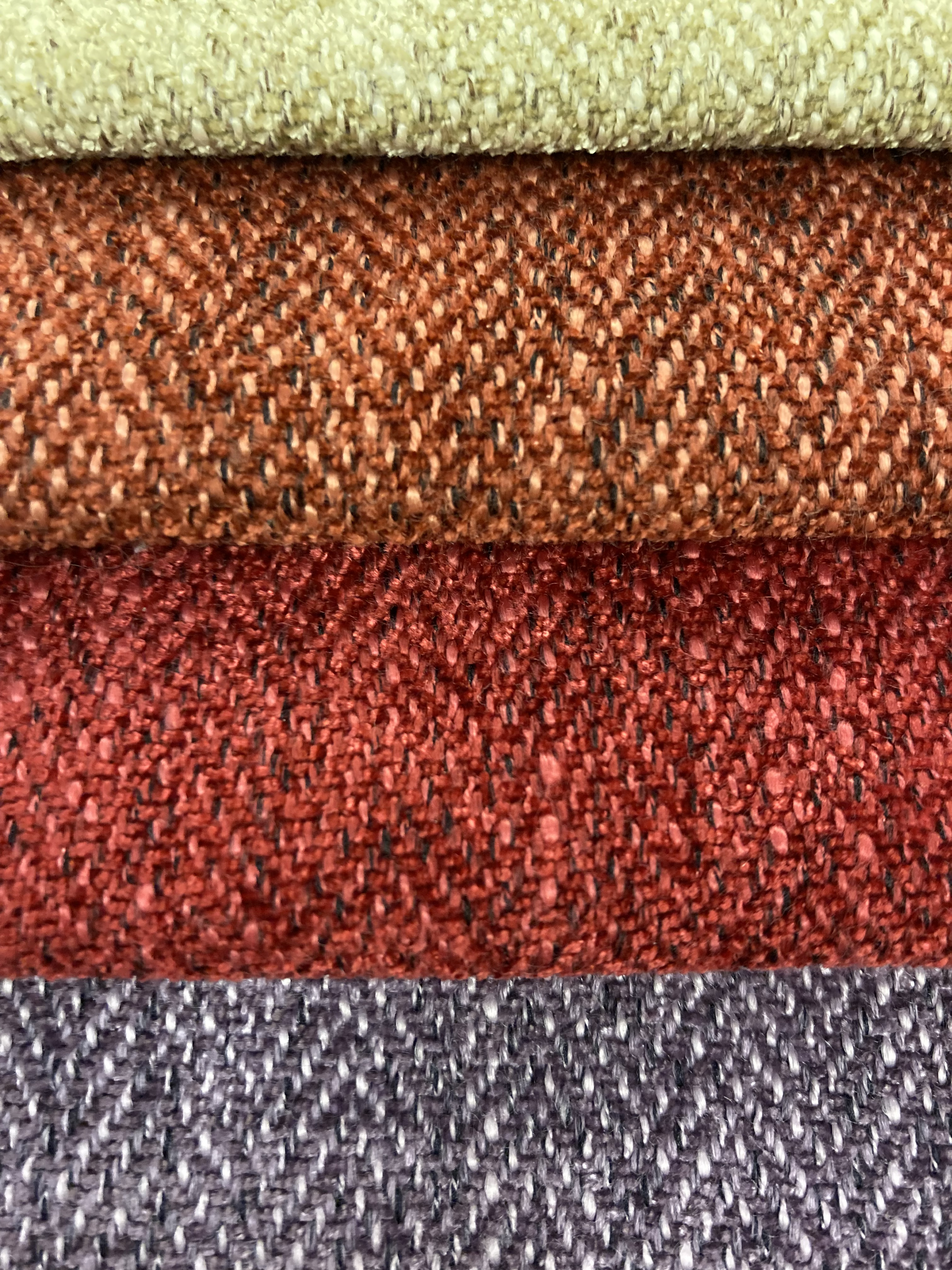
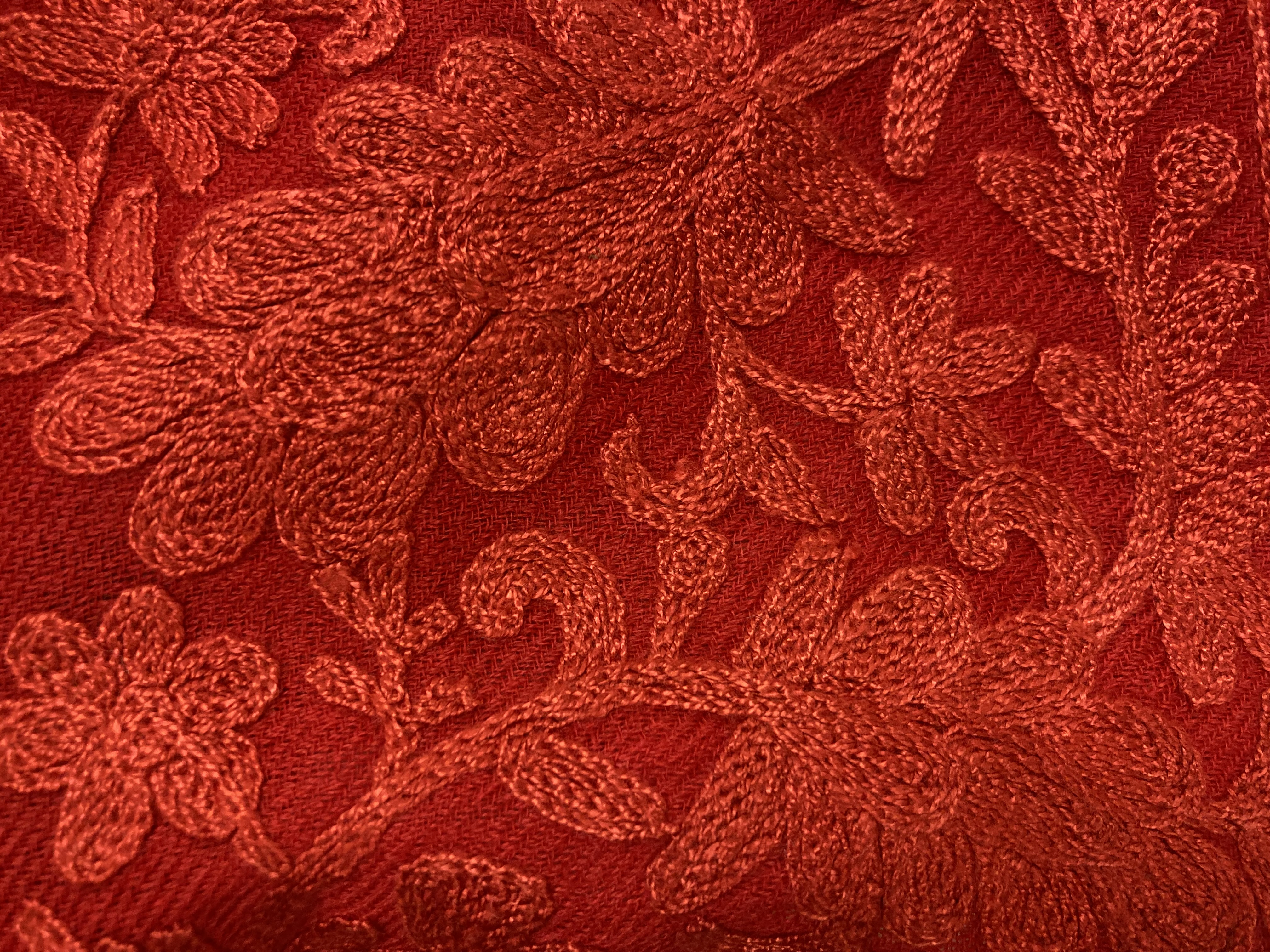

I then used one of my photos of the bricks to start creating a photo collage and came up with the below right, with heightened brightness of the cement in-between to get a clearer brick wall definition and using various photos of textiles, buildings and bricks and other photos I had take to make almost a patchwork (textile pun intended) of red hues:

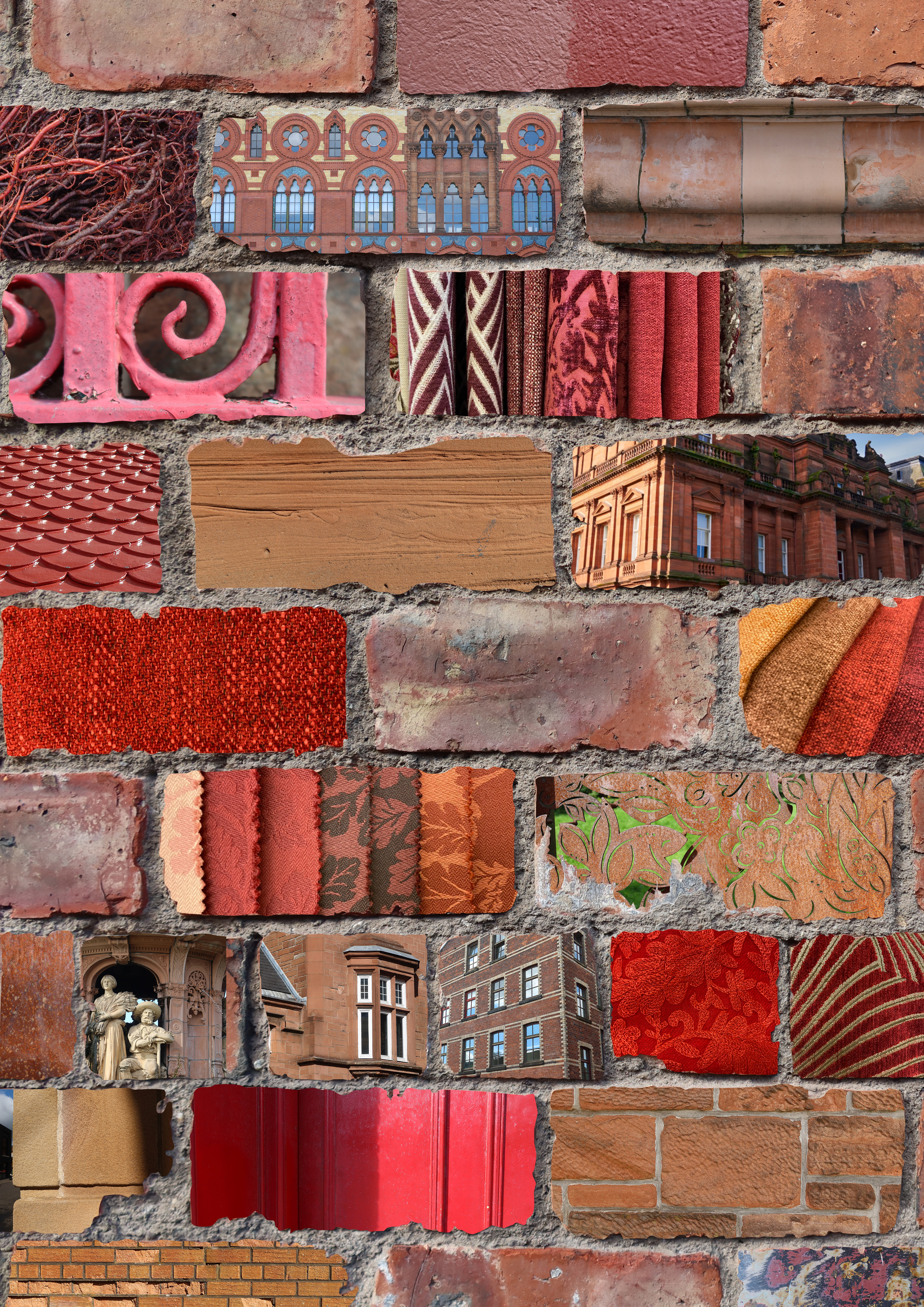

Realising that this is already really busy as an image, I decided to try a simple outline of a classic textile building as per the thumbnail trials and play around with how to do that in InDesign. Fading out entirely wasn’t great so I tried an outline and feathered it to get a kind of grafitti effect on the ‘wall’.


I then tried some compositions and found a font that matched the grafitti aspect. I felt black was too severe and white not clear enough so I used a nice dark red from the photos using the dropper tool and combined with some black and white for the most effective (below right).


I then thought that I could try to capture the smoke from the chimney and tried out some different effects in Photoshop though I find it hard to pick the most effective. The blender makes a really cool smudging of red hues but is less visible compared to the spray smoke.


Finally I went for this one as I liked the expressive line of smoke contrasting against the structured line of the brick and outline.

Reflections:
- I found it hard to define straight away the brief and so I found that doing some research first on the basis of some general ideas – photography, collage, city and heritage, then led me down a path of coming up with something interesting I could refine.
- Using the red hues based on snapshots of bricks, building and fabric was quite an exercise in gathering a lot and bringing it together.
- I also didn’t want to break or contrast from the reds so I stuck to an analogous palette that allowed me to explore different hues of reds. I felt that this was really aligned with the way bricks appear generally, in their different textures, sizes, colours and markings from the weather.
- I have not done so much collage so I enjoyed how experimental this was as I pulled in and moved around photos and colours and bricks in a way that was meant to mimic patchwork quilts as a connection to textile and to different colours and the variety and mix of different reds you can find in the East End.
- I struggled to think how to bring in line aspects from what I learned as they were perhaps more related to using line to draw and build form. However, I feel that I managed to use the lines of the brick pattern photo to give shape to what I wanted in a relevant sense given the topic and I really like the more expressive line of the photoshop blending tool to create a snaky set of lines that mimics both felt fabric and smoke!
 Jo's Illustration Learning Blog